

MedWise Daily Editorial Team
Reviewed for medical accuracy
Category: Gut & Digestion, Nutrition
Many people take high doses of vitamin D or vitamin A—or eat nutrient-dense foods like liver—yet still see low levels on blood tests. If this sounds familiar, the problem may not be a true deficiency.
Instead, it may be a delivery issue: how your body absorbs and transports fat-soluble vitamins.
Understanding this process can help you address the root cause rather than simply increasing supplement doses.
What This Means for You
If your vitamin D or A levels stay low despite regular supplementation, your body may be struggling to absorb or move these nutrients efficiently. Supporting your digestive and lymphatic systems may improve results more effectively than taking higher doses alone.
How Fat-Soluble Vitamins Are Absorbed
Vitamins A, D, E, and K are fat-soluble. This means they follow a different pathway than water-soluble vitamins like vitamin C or the B-complex.
Here’s what happens inside your body:
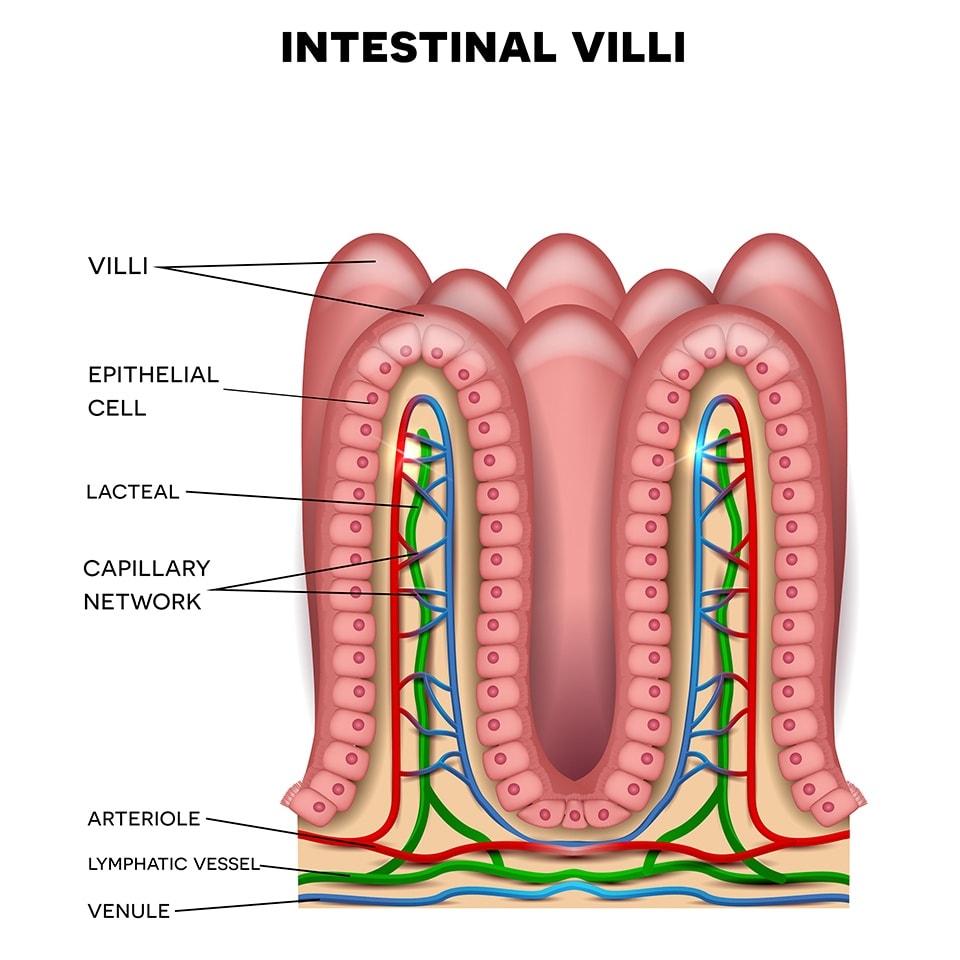
- These vitamins are absorbed in the small intestine alongside dietary fats
- They enter the lymphatic system through tiny vessels called lacteals
- Only after moving through the lymph do they reach the bloodstream and body tissues
Because of this unique route, any disruption in fat digestion or lymph flow can interfere with vitamin delivery—even when intake is high.
Why Blood Levels Can Stay Low
Even with adequate supplementation or a nutrient-rich diet, lab results may remain low if:
- Fat digestion is impaired
- The lymphatic system is sluggish
- Circulation is reduced due to limited movement or dehydration
In these cases, increasing your supplement dose may not solve the underlying problem.
Signs That Lymphatic Flow May Be Sluggish
While not diagnostic, some people with reduced lymph circulation report symptoms such as:
- Morning facial puffiness or swelling
- Heavy or achy legs
- Chronic sinus congestion
- Mental “fog” that improves with physical movement
If you notice these patterns, focusing on supporting circulation and movement may be more helpful than simply adding more supplements.
How to Support Vitamin Delivery Naturally
Instead of relying only on higher doses, consider lifestyle habits that encourage lymphatic and digestive health:
1. Regular Movement
Activities like walking, yoga, gentle cardio, or rebounding (mini-trampoline exercises) help stimulate lymph flow.
2. Deep Breathing
Slow, diaphragmatic breathing encourages lymph movement from the abdomen toward the bloodstream.
3. Hydration
Adequate fluid intake helps maintain healthy lymph consistency and circulation.
4. Gentle Circulation Support
Stretching, massage, and lymphatic drainage techniques may help improve nutrient transport.
Key Takeaways
- Low vitamin D or A levels don’t always mean low intake
- Fat-soluble vitamins rely on both digestion and lymphatic transport
- Supporting movement, breathing, and hydration can improve nutrient delivery
- A whole-body approach may be more effective than increasing supplement doses alone
Medical Disclaimer
This article is for informational and educational purposes only and does not substitute for professional medical advice, diagnosis, or treatment. Always consult a qualified healthcare provider regarding any medical concerns or before making changes to your supplementation or health routine.